Recently, Amanda was featured on the Language of Leadership Podcast with host Mark Iorio.
Click here to watch!
Latest Updates, Trends and Topics
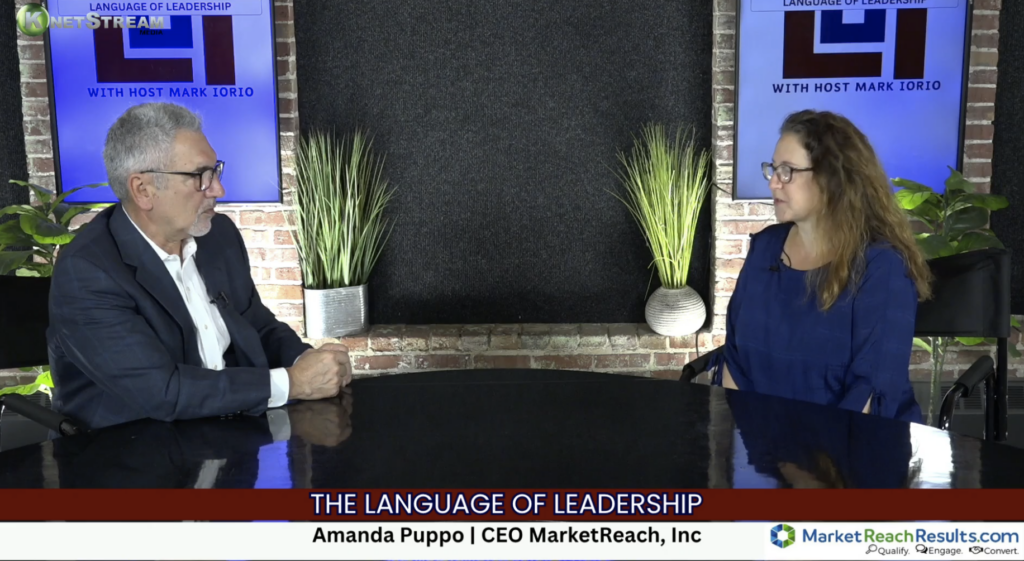
Recently, Amanda was featured on the Language of Leadership Podcast with host Mark Iorio.
Click here to watch!
Most companies struggle with B2B sales prospecting not because they lack effort—but because they lack a consistent, proven approach.
After 25 years of delivering appointment setting, lead generation, and outbound sales programs, we’ve seen what actually drives results—and what wastes time. From cold calling and qualification to follow-up and modern tools like AI, these lessons are built from real campaigns and real conversations with decision-makers.
If your goal is to book more qualified meetings, improve conversion rates, and build a predictable sales pipeline, this is your playbook.
(more…)
When you have a product or service that is in high demand, you’ll see in increase an profits and the lead generation practically comes to you.
Demand generation is a B2B marketing discipline designed to create interest in products and services that results in greater sales pipeline opportunities and revenue. A comprehensive, effective demand generation strategy will also result in happier customers and better sales-marketing alignment.
(more…)
Right now, many businesses in the United States are navigating a complex landscape. While certain sectors are experiencing growth, others face economic pressures, tightened budgets, and cautious decision-making. In these conditions, retaining your existing customers is not just a smart move—it’s a necessity.
Amid slower buying cycles, increased competition, and tighter procurement processes, building stronger relationships with your current customers can provide the predictable revenue and brand trust your company needs to remain steady and scale strategically.
(more…)
When it comes to B2B sales, preparation is everything. Jumping into a sales call without proper research is like trying to build a house without a foundation—you’ll struggle to make a connection and ultimately fail to close the deal. Instead, strategic research transforms cold calls into warm conversations that lead to stronger relationships and better conversion rates.
By using the right research strategies, you can identify key decision-makers, tailor your pitch, and increase your chances of a successful sales outcome. Below, we’ll break down how to effectively research prospects before a sales call, ensuring that every conversation is insightful, engaging, and positioned for success.
Your first source of information should be publicly available data online. In today’s digital age, a significant 81% of retail shoppers conduct online research before making a purchase, that is even higher with B2B customers and clients.
With the right approach, you can quickly gather valuable insights into a prospect’s business, needs, and potential pain points.
By answering these questions, you will walk into your call well-prepared and ready to engage.
Related Read: B2B Lead Generation: How to Find and Engage Decision-Makers
While public research provides a good foundation, internal data from your CRM or prospect list can help personalize your approach even further. Effective pre-call planning has been shown to improve sales win rates, as it demonstrates to customers that the salesperson is prepared and understands their needs.
If you have no prior engagement records, start logging them now. Keeping detailed notes on past conversations streamlines future outreach and improves conversion rates.
Related Read: Building Initial Rapport and Questions to Qualify
Once you have gathered your research, it is time to refine your approach. Notably, 76% of top-performing sales representatives “always” research their prospects before reaching out, highlighting the critical role of thorough preparation in successful sales engagements. An organized, structured call is more effective than one based on guesswork.
Writing out a 30-second introduction script that highlights how your solution aligns with their needs can help you sound natural and confident.
Now that you are prepared, it is time to make the call. However, even with the best research, no two conversations are alike—so adaptability is key. 80% of sales require five follow-up calls after the initial meeting, yet 44% of sales representatives give up after just one follow-up, emphasizing the need for persistence and adaptability during the sales process.
If the prospect is not a good fit, do not push the sale—qualify or disqualify them early to avoid wasting time.
Related Read: 3 Tips for Gaining the Prospect’s Attention on an Introductory Call
In today’s competitive B2B landscape, sales success starts with research. A well-prepared sales call allows you to:
By taking the right steps before every call, you will improve your ability to turn cold leads into warm relationships and, ultimately, close more deals.
Ready to boost your sales strategy? Schedule a Consultation with MarketReach Today.

After the year we’ve just been through, there’s no time like the present to have your sights set on growth. Phone outreach is one of the most efficient and effective ways to generate revenue. But let’s be honest – phone outreach isn’t easy.
From dealing with hard-to-reach prospects to getting in touch with the wrong people, phone outreach can be difficult. But, if you’re not already using it as a strategy to grow your business, you’re going to want to start now. The numbers speak for themselves – look at these statistics and trends about phone outreach and business growth: (more…)
Communication and Sales, especially B2B sales, go hand in hand. Very few decisions in the business-to-business landscape are made without some kind of human engagement. Effective communication between salespeople and buyers is crucial. In the process of communicating with prospects, talented salespeople focus their prospecting efforts on properly qualifying, utilizing Effective probing questions, and setting up sales opportunities that have a true “reason to meet”. Let’s dive into more technical concepts about communication.
The verbal communication process is built on four main components: encoding, medium of transmission, decoding and feedback. Encoding is the translation of thoughts. From a salesperson’s point of view, it is taking a larger, more abstract picture and breaking it down into simple terms for the buyer to easily understand. In order to enhance the encoding stage, the salesperson should focus on two things: their choice of words and tone. Using short words and phrases can keep the salesperson from rambling and losing the prospect’s interest. Having specific answers to the prospect’s questions will provide a level of transparency, ultimately leading to a more trusting prospect. The salesperson’s tone of voice should match the level of the prospect’s energy level. If the prospect seems quieter, having a loud and aggressive approach may just turn off the prospect for the rest of the conversation. (more…)

Coffee is an essential part of the convenience services industry, especially considering the number of Americans who drink coffee every day has increased by 5% over the past five years, according to The National Coffee Association. In a recent report, NCA highlighted how the average American coffee drinker drinks over three cups of coffee per day. The coffee and beverage industry has seen a lot of changes over the last few years, and even more so due to the coronavirus pandemic.
Luckily for the coffee industry, 75% of coffee drinkers say the pandemic has not changed their coffee consumption. Check out the trends below to better target potential business prospects and consumers.

It’s hard to sum up 20 years of industry experience in one article, but we are going to try. We are so excited to celebrate 20 years of providing B2B Appointment Setting & Lead Generation services, as well as Integrated Marketing solutions! Over the years, we’ve gained extensive sales knowledge that helps us provide continued value to our clients. After brainstorming as a team, here’s a summary of what we learned, particularly as it relates to the prospecting bucket of the sales process:
Without a well-designed and well-utilized CRM, there is no way to organize a productive day. If you don’t know who your prospects are, how do you expect to nurture them and build brand recognition with them? If you don’t have a CRM, work on getting one, and use Excel for the time being.
You may have a great memory, but why would you crowd your brain up with information from hundreds of conversations or rely on it, for that matter? Reflect on the interaction and enter all relevant information they relayed to you. Before your next call or email, revisit your notes to be precise and show you were listening.
While purchasing a third-party list might be appealing cost-wise and a time-saver, the data will be outdated and require hours of thorough qualification work to update. Be prepared to Invest in a quality list – the growth of your business relies on it. Whether your team organically builds it in-house, purchase a list or have it vetted by a skilled call team like MarketReach, better data yields better results. (more…)
There is a light at the end of the tunnel. As states begin to move through the stages of reopening, it’s starting to look like businesses will be able to start opening their offices sooner rather than later. Regularly check the U.S. Chamber of Commerce’s website as it updates state-specific and sector-specific resources. Also tune into the CDC’s and AIHA’s websites for guidelines on office reopening.
After months of working from home, it’s expected that your employees may be a little apprehensive about returning to work, especially when the future is so uncertain. Changes in the office environment will certainly play in a role in your employees’ uneasiness. Consider these steps (all of which you can start taking right now), that will help your employees feel more comfortable as we take the first step on the long road towards normalcy.
Public health and government officials are guiding these decisions. We will only get the “OK” to return to work when it is safe to do so. Still, it makes sense why your employees, especially those with compromised immune systems, may be nervous to be around others in proximity. As their employer, you can be taking steps right now to ease their concerns. (more…)